Introduction
Personal blenders have become increasingly popular in modern kitchens, particularly for people seeking convenience without sacrificing functionality. Unlike their larger counterparts, these compact machines are designed with speed and ease of use in mind. The Ninja Fit Compact Personal Blender represents one approach to addressing this market segment, offering a specific combination of motor power, cup capacity, and portability that appeals to a particular set of user needs.
Understanding whether a personal blender fits your lifestyle requires looking beyond marketing language and examining what the appliance actually does, how it functions, and what realistic expectations you might have when using it. This guide explores the features, practical applications, and considerations surrounding this specific model to help you make an informed decision about whether this type of appliance would be a useful addition to your kitchen.
Key Features and Specifications
Motor Power and Performance
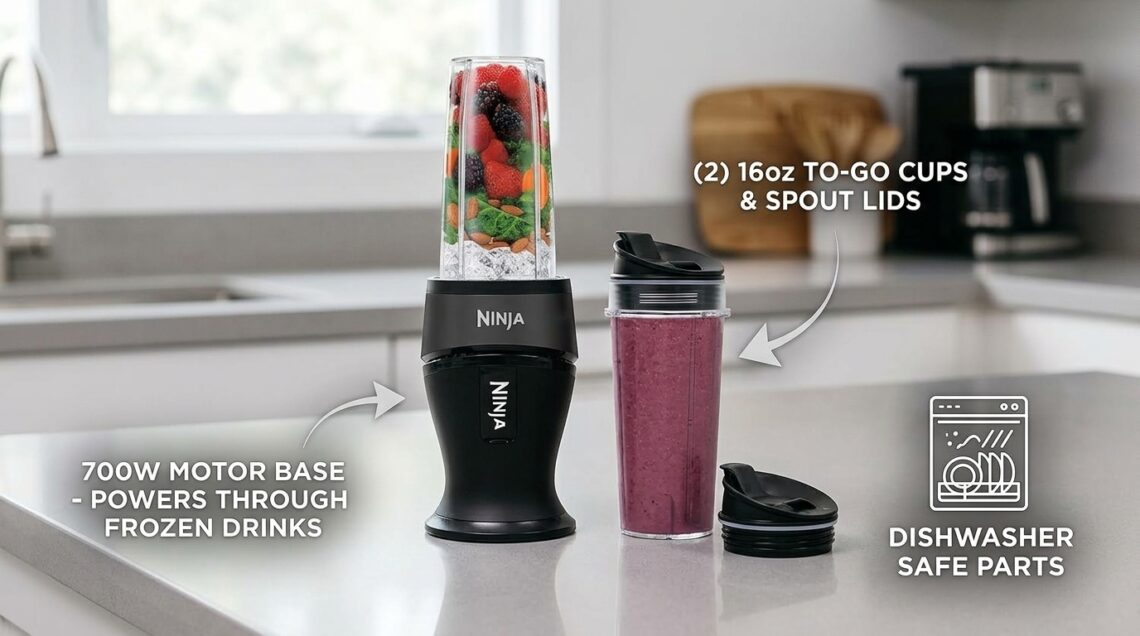
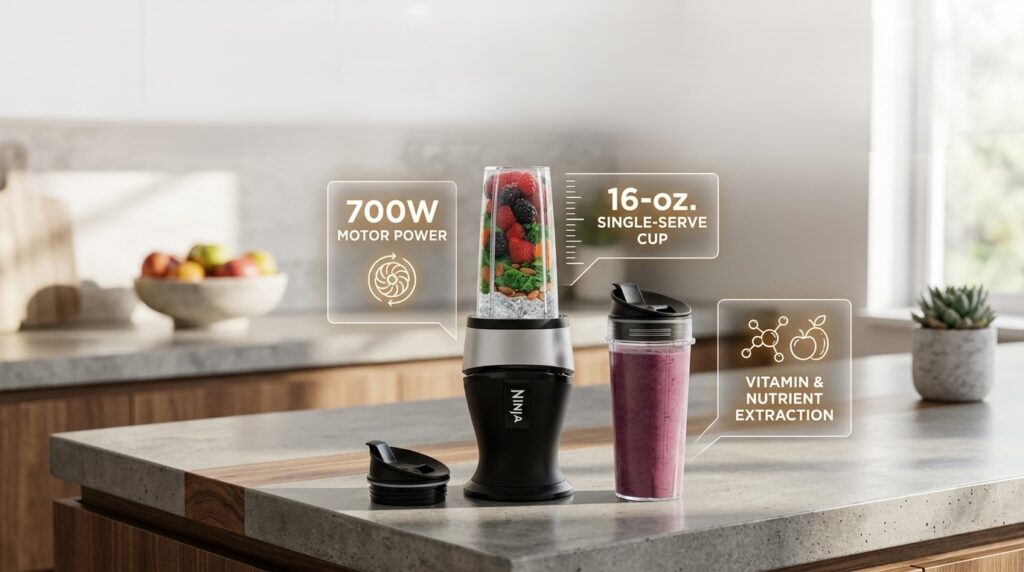
The 700-watt motor is perhaps the first specification that stands out when reviewing compact personal blenders. In practical terms, motor wattage in blenders relates to how quickly and effectively the appliance can break down various ingredients. A 700-watt motor occupies a middle ground—it’s substantially more powerful than basic immersion blenders or budget models but less powerful than full-sized food processors or high-end blender systems.
This power level makes the appliance particularly suited for specific tasks. It performs efficiently with soft ingredients like fresh fruits, yogurt, and leafy greens. For tougher applications, such as grinding grains into flour or creating nut butters from whole nuts, users would likely need to be more intentional with preparation, such as pre-soaking or using smaller batches. The motor’s capacity is designed around the size of the cups included, creating a balanced system where the power output matches the intended vessel volume.
Cup Capacity and Design
The model includes two 16-ounce cups, which represents a practical choice for personal portion sizes. A 16-ounce cup translates to approximately 2 cups of liquid or blended ingredients—a volume that’s suitable for a single serving smoothie or two modest-sized drinks. This two-cup arrangement allows for versatility in how you might use the appliance: blending one serving in one cup while keeping the other clean, or making two different drinks simultaneously if you have two motor bases (though typically only one base is included).
The cups themselves feature spout lids designed to facilitate on-the-go consumption. This design element acknowledges the contemporary lifestyle pattern where drinks are often prepared at home but consumed elsewhere, whether during a commute, at work, or during other daily activities. The spout design allows for drinking without removing a full lid, which improves convenience compared to open-cup options.
Dishwasher Safe Components
A practical consideration in kitchen appliances is how easily they can be cleaned. The inclusion of dishwasher-safe parts—specifically the cups and presumably associated lids—reduces the maintenance burden. Many smaller kitchen appliances require hand washing, which can discourage regular use or feel like unnecessary effort. The dishwasher-safe feature means these components can be cleaned alongside your regular dishes without special attention.
It’s worth noting that for most blenders, the motor base itself should never be submerged or placed in a dishwasher, as this would damage the electrical components. Cleaning the base typically involves wiping it down with a damp cloth.
Compact Design
The “Fit” in the product name emphasizes the compact nature of this blender. Space constraints are a realistic consideration for many households, whether someone lives in a small apartment, shares kitchen space, or simply prefers not to have large appliances taking up counter space. A compact personal blender occupies significantly less space than a traditional full-sized blender, making storage easier and kitchen arrangements more flexible.
Portability is an additional benefit of the compact design. Unlike larger blenders that are essentially permanent fixtures, personal blenders can be moved more easily, stored in cabinets, or even transported if needed.
Practical Applications and Usage Scenarios
Daily Smoothie Preparation
The most straightforward application for a personal blender is preparing smoothies. The 16-ounce capacity works well for a single-serving smoothie containing fruit, liquid, and optional additions like yogurt or protein powder. The motor power is well-suited to breaking down frozen fruit, which is a common ingredient in smoothie recipes. Users can prepare a drink relatively quickly—typically within a few minutes from beginning to finishing cleanup.
A typical smoothie workflow would involve adding ingredients to one of the cups, securing it to the motor base, blending until the desired consistency is achieved, then removing the cup and cap directly with the spout lid for immediate consumption.
Protein Shakes and Supplement Mixing
Beyond fruit smoothies, personal blenders work effectively for preparing protein shakes and drinks containing powdered supplements or meal replacement products. The motor power is sufficient to incorporate protein powder, preventing the graininess that can occur when these powders don’t fully integrate. This functionality appeals to people who exercise regularly or use dietary supplements as part of their routine.
Frozen Beverage Blending
Frozen drinks represent a higher-demand task for blender motors. Creating blended frozen coffee drinks, frozen fruit drinks, or similar beverages requires breaking down ice or frozen ingredients. While the 700-watt motor can handle this task, the success depends somewhat on the quantity of frozen material and the specific blend ratios. Smaller frozen drinks blend more readily than attempting to fill the entire 16-ounce cup with ice.
Sauce and Dip Preparation
Beyond beverages, personal blenders can prepare certain sauces, dips, and spreads. A basic salsa, smoothie bowl topping, or pesto might be created using a personal blender, particularly if the quantities needed are modest. However, the relatively small cup size limits how much you can prepare at once, which might make this less practical for those cooking for larger families or batch-preparing foods.
Nut and Seed Grinding
With some preparation, users can grind smaller quantities of nuts or seeds into flours or butters, though this represents a more advanced use case. Success depends on factors like the power of the motor and the hardness of the ingredient. Whole nuts require more effort and may benefit from being briefly frozen or dampened beforehand.
Who This Appliance May Be Suitable For
Busy Professionals
People with demanding schedules often find personal blenders valuable for quick meal preparation. The ability to prepare a nutritionally complete drink in a few minutes, with minimal cleanup, appeals to those who struggle to balance nutrition with time constraints.
Fitness Enthusiasts
Individuals who regularly consume protein shakes or post-workout beverages often find personal blenders practical for this routine. The ability to prepare a shake quickly and consume it immediately aligns well with fitness schedules.
Small Households
Single-person households or couples without children may find a personal blender more practical than a full-sized blender. Smaller quantities make more sense for smaller households, and the compact footprint is advantageous in smaller kitchens.
People with Limited Storage
Anyone with significant kitchen space limitations—whether due to living in a small apartment, shared kitchen space, or simply a minimalist approach—benefits from the compact size of personal blenders compared to standard models.
Frequent Travelers
While not everyone travels with kitchen appliances, some people who travel regularly appreciate having a portable blender available. The compact size and modest electrical requirements make this more feasible than larger alternatives.
Health-Conscious Individuals Building New Habits
People focusing on dietary changes, increased fruit and vegetable consumption, or developing new nutritional habits sometimes find that having convenient equipment encourages consistency. A personal blender can be part of making healthy choices easier to implement.
Important Considerations Before Purchasing
Motor Power Limitations
While 700 watts is adequate for many blending tasks, it’s not the highest-powered option available. If your primary goal involves grinding grains, processing large quantities of tougher ingredients, or creating nut butters regularly, a more powerful appliance might be more suitable. Understanding the realistic capabilities ensures you won’t be frustrated with performance limitations.
Capacity Constraints
The 16-ounce cup size, while practical for individuals, presents limitations if you regularly cook for multiple people or prepare food in bulk. Making multiple batches sequentially is time-consuming and may not feel efficient for larger households.
Noise Levels
Personal blenders, like most blenders, generate significant noise during operation. If you live in a situation where early morning or late-night blending might disturb others—roommates, family members, or neighbors in shared housing—this is worth considering. Personal blenders aren’t inherently quieter than larger models, despite their size.
Dual-Cup Consideration
The inclusion of two cups is presented as an advantage, but typically only one motor base is included. This means you can prepare two different drinks if you swap cups, but you cannot blend both simultaneously. If you live with someone else or frequently need to prepare multiple drinks at once, this limitation matters.
Ingredient Preparation
Some ingredients require preprocessing before blending in a personal blender. Frozen fruit works well, but extremely hard frozen items might struggle. Similarly, large chunks of ingredients should be cut into smaller pieces for optimal blending. This isn’t unique to this model but represents an important practical consideration.
Durability and Longevity
Compact appliances sometimes have shorter lifespans than heavier-duty equipment, though this varies significantly between models and manufacturers. Understanding the expected lifespan and what warranty coverage might be available provides realistic expectations about long-term value.
Comparing Personal Blenders to Other Small Appliance Options
Versus Full-Sized Blenders
Full-sized blenders typically feature more powerful motors (often 1000+ watts), larger capacities (ranging from 40 to 64 ounces), and more blending program options. They’re better suited for batch cooking, preparing large smoothies, or tackling tougher ingredients. However, they consume substantially more counter and storage space. The trade-off between power and capability versus convenience and space is a primary decision point between these categories.
Versus Immersion Blenders
Immersion blenders (stick blenders) are even more compact and easier to store but offer significantly less power and versatility. They excel at specific tasks like pureeing soups in pots or blending small quantities, but they’re not ideal for making smoothies or handling frozen ingredients. Personal blenders bridge the gap between immersion blenders and full-sized models.
Versus Food Processors
Food processors overlap with blender functionality in some areas but operate differently. They’re generally better for chopping, grinding solids, and preparing foods like hummus or coleslaw. For primarily liquid-based applications like smoothies, blenders are superior because they create smoother textures and incorporate ingredients more uniformly.
Versus High-Speed Blenders
Premium high-speed blenders represent the top tier of blender technology, with motors exceeding 1500 watts and advanced features like preset programs and heated blending capabilities. They cost substantially more but provide capabilities that justify the investment for people who extensively use blenders. For basic smoothie preparation, the cost difference may not justify the additional features.
Frequently Asked Questions
What types of frozen ingredients work best?
Frozen berries, frozen banana pieces, and ice blend efficiently. Extremely hard frozen items or large chunks may be more challenging and might benefit from being left at room temperature for a minute or two before blending.
Can this blender handle hot liquids?
Most personal blenders should not be used with hot liquids directly after blending, as steam buildup can be dangerous when the lid is removed. Blending cold ingredients and then heating the result afterward is safer than attempting to blend hot liquids.
How loud is the blending process?
Personal blenders generate noise during operation, typically ranging from 75-85 decibels during blending. This is comparable to standard blenders and quite noticeable. Some models include noise-dampening features, but this aspect varies by model.
Can you make nut butter with this blender?
In theory, yes, but with limitations. The 16-ounce capacity is quite small for nut butter production, and the 700-watt motor requires patience. Small-batch nut butter is possible, but it requires extended blending time and may require stopping periodically to prevent motor overheating.
How should you clean and maintain the motor base?
The motor base should never be submerged. Wipe the exterior with a damp cloth to remove any splashes or residue. Avoid liquid from entering the motor housing. For routine maintenance, checking that the coupling between the cup and base is clean and dry prevents issues over time.
Is there a minimum amount of liquid required for blending?
Yes, typically blenders require some liquid content to properly circulate ingredients and cool the motor. Attempting to blend extremely thick or dry ingredients without sufficient liquid can strain the motor and produce poor results.
Can you blend in one cup while storing prepared drinks in the other?
The cups are interchangeable with the single motor base, so yes, you could prepare one drink, set it aside with its lid, then use the other cup for a second blend. This provides modest convenience for preparing two different drinks sequentially.
What ingredients should be avoided?
Avoid extremely hard items like whole ice cubes in large quantities, whole grains (unless specifically designed for grinding), or heat-generating ingredients for extended periods. Generally, softer ingredients and properly prepared components work best.
Conclusion
The Ninja Fit Compact Personal Blender represents a practical approach to personal blending, emphasizing convenience and space efficiency over maximum power and capacity. Its 700-watt motor performs well for the intended purpose of smoothies, shakes, and frozen beverages in convenient 16-ounce servings. The inclusion of two cups with spout lids accommodates contemporary drinking habits, and the dishwasher-safe components reduce maintenance friction.
Whether this particular appliance suits your needs depends on specific lifestyle factors: kitchen space available, typical serving sizes, frequency of blending, and the types of ingredients you plan to use. For someone seeking a no-frills, space-conscious way to regularly prepare individual smoothies or shakes, this model addresses those needs directly. Conversely, if you require larger capacities, higher power for challenging ingredients, or simultaneous batch blending, a different category of appliance might prove more suitable.
The decision to incorporate any new appliance into your kitchen should balance the actual functionality you’ll use against space and cost considerations. Personal blenders occupy a practical niche for people whose lifestyle and serving needs align with their design parameters. Understanding these parameters and being realistic about your own usage patterns leads to satisfaction with your choice.