Introduction
Frozen desserts have been a staple of summer enjoyment for generations, and the methods for creating them at home have evolved significantly over the years. From traditional hand-crank ice cream makers that required ice and salt to modern electric machines, the technology behind home frozen dessert preparation continues to advance. The Ninja CREAMi NC301 represents a particular approach to this category—a countertop appliance designed to turn pre-frozen liquid into various frozen treats through a blending mechanism rather than a traditional churning process.
Understanding how different frozen dessert makers work, what capabilities they offer, and whether they align with your household’s needs requires looking beyond marketing language. This article examines the Ninja CREAMi NC301 in detail, exploring its design, intended use cases, practical applications, and the considerations you should keep in mind before deciding if this type of appliance fits your lifestyle.
Key Features and Specifications
The Ninja CREAMi NC301 operates on a principle that differs from many other home ice cream makers. Rather than churning liquid mixture during freezing, this appliance is designed to work with pre-frozen pint containers of liquid. The machine then blends the frozen contents into creamy frozen desserts.
Container Design and Capacity
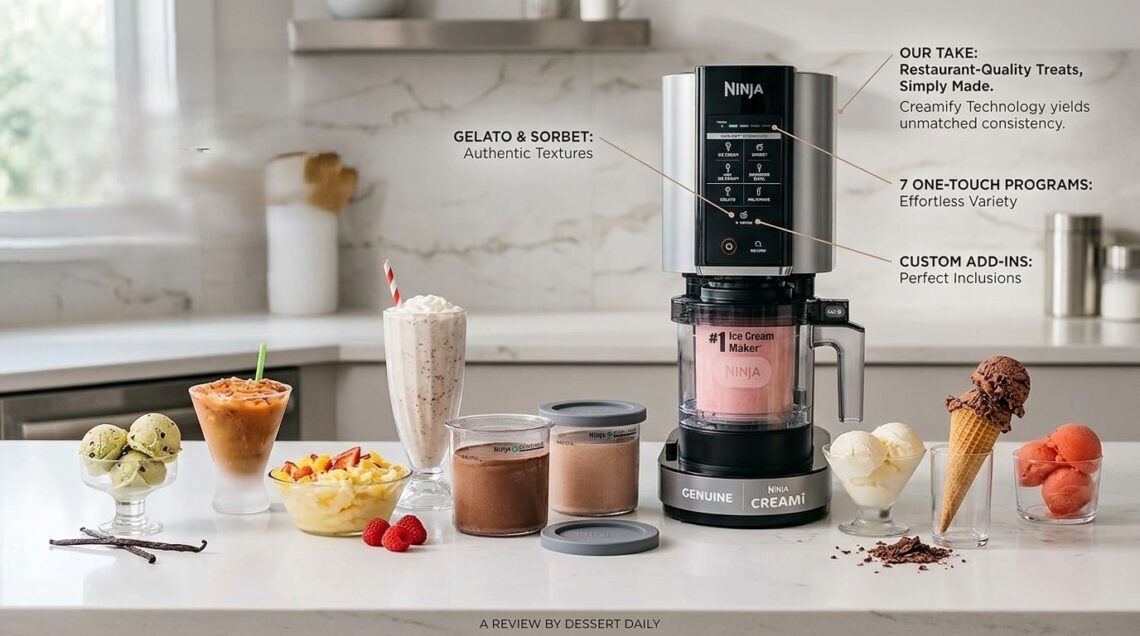
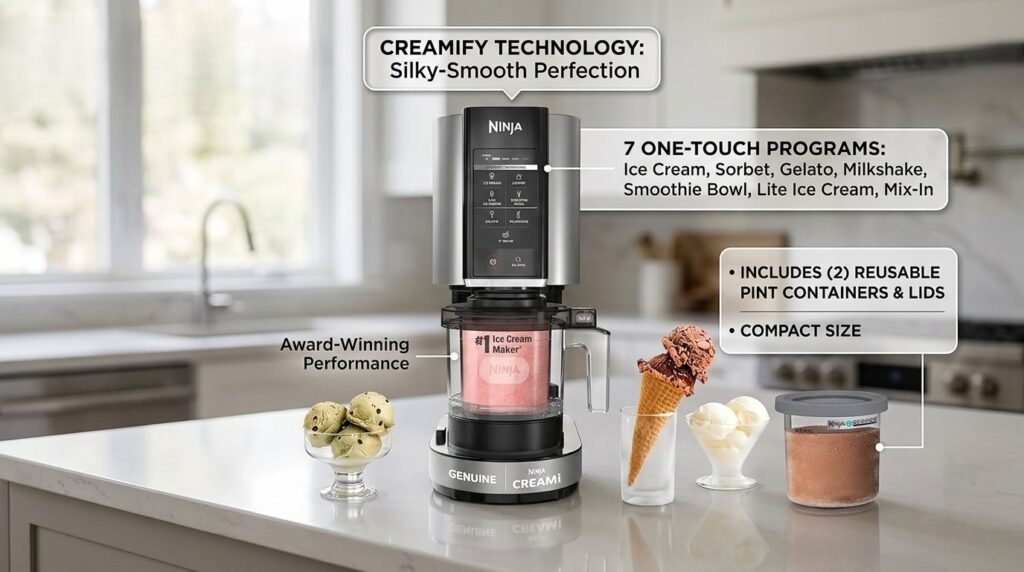
The appliance comes with two reusable pint containers and matching lids. This means you can prepare multiple batches in advance—freeze one container while using another. Pint-sized containers hold approximately 16 ounces of liquid, which typically yields 2-4 servings depending on portion sizes. The containers are designed to fit into the machine’s processing chamber for blending.
One-Touch Programs
The NC301 features seven preset programs, each calibrated for different frozen liquid viscosities and desired outcomes. These programs are accessed through buttons on the machine rather than requiring manual settings or timer adjustments. The programs cover different frozen dessert categories, allowing users to select an appropriate setting based on what they’ve prepared.
Size and Counter Space
Marketed as a compact model, the NC301’s dimensions are relatively modest compared to some full-size frozen dessert machines. For households with limited counter space or those looking for an appliance that can be stored in cabinets between uses, the physical footprint is a consideration. The silver finish is a neutral aesthetic choice that coordinates with many kitchen styles.
Motor and Mechanism
The appliance uses an electric motor to power a blending mechanism that processes frozen contents. Understanding that this is not a traditional ice cream maker—where churning motion creates smaller ice crystals during freezing—is important for setting appropriate expectations about texture and processing time.
How the Ninja CREAMi NC301 Actually Works
Many people encounter the CREAMi concept for the first time and need clarity about the process, as it differs from conventional ice cream making.
The Preparation Phase
Instead of pouring liquid mixture into the machine and waiting for it to churn and freeze over 20-40 minutes, the CREAMi workflow begins with preparing your liquid base. This could be melted ice cream, smoothie mixture, juice, sweetened cream-based liquid, or other frozen-friendly liquids. You pour this prepared mixture into the included pint containers, place the lids on top, and place them in your freezer overnight or until completely solid.
The Processing Phase
Once frozen solid, you insert one container into the machine’s chamber, select the appropriate program, and press start. The blending mechanism then processes the frozen contents, breaking down and aerating them as it works. The process typically takes several minutes, and the result is scoopable, blended frozen dessert that drops into a bowl below the processing chamber.
Why This Approach Matters
This design means the machine doesn’t require you to monitor progress or make timing decisions during processing. There’s no guesswork about when the mixture has reached the right consistency. Additionally, because the freezing happens in your home freezer rather than within the machine itself, the appliance doesn’t generate significant heat or require cooling between batches—you simply swap containers.
Understanding Potential Applications and Uses
The Ninja CREAMi NC301’s versatility depends largely on your willingness to experiment with different base liquids and mix-in strategies.
Traditional Ice Cream
Softened store-bought ice cream can be spooned into pint containers, frozen, and then processed. This creates a different texture than the original product—typically smoother and more scoopable, similar to soft-serve consistency. Some people appreciate this texture evolution, while others find it alters the ice cream in ways they don’t prefer.
Homemade Bases
Creating custom frozen dessert bases is possible by preparing your own mixture of cream, milk, sweetener, and flavorings, freezing it in the pint containers, and then processing. This allows complete control over ingredients and flavors, which appeals to people with specific dietary preferences or allergies.
Smoothie Bowls
Blended smoothie mixture can be frozen and then processed into a thicker, spoon-able consistency that resembles traditional smoothie bowl bases. This approach transforms liquid smoothie into a different textural experience.
Sorbet and Fruit-Based Options
Fruit juice, fruit puree, or sugar-sweetened fruit liquid can be frozen and processed into sorbet-like frozen desserts. Since no dairy is involved, this approach works for those avoiding animal products or seeking lighter frozen treats.
Mix-Ins and Inclusions
The blending action can incorporate mix-ins during processing, though success depends on the mix-in size and hardness. Softer additions like cookie crumbles or brownie pieces may blend effectively, while harder items might not process as desired. This is different from traditional ice cream making, where mix-ins are typically added after churning is complete.
Gelato-Like Textures
The machine’s blending capability can create frozen desserts with a denser, smoother texture reminiscent of gelato, particularly when using higher-fat bases or specific ingredients.
Who Might Find This Appliance Suitable
Different household types and individuals may find value in the CREAMi NC301 for different reasons.
Families with Children
The compact size and simple one-touch operation make the machine accessible to children with adult supervision. Creating frozen treats together can be an engaging kitchen activity, and the relatively quick processing time (compared to traditional ice cream makers) maintains interest during the preparation phase.
Experimental Home Cooks
People interested in developing custom frozen dessert recipes or exploring unconventional flavor combinations might appreciate the ability to prepare bases and then process them on demand. The appliance becomes a tool for culinary experimentation.
Individuals with Specific Dietary Needs
Those managing food allergies, following vegan diets, or maintaining specific nutritional goals can prepare customized bases without worrying about commercial product ingredient lists or contamination from shared equipment.
Health-Conscious Households
People interested in controlling sugar content, using natural sweeteners, or incorporating specific ingredients can have that control by preparing their own bases rather than relying on commercial frozen desserts.
Space-Limited Kitchens
The appliance’s compact size makes it feasible for apartments, dorms, or homes where full-size appliances aren’t practical. It can also be stored away between uses, freeing counter space.
People Seeking Convenience
Unlike traditional ice cream makers that require active monitoring and specific timing, this appliance operates on a simpler schedule: prepare base, freeze, insert, press button, enjoy. There’s minimal active time during processing.
Important Considerations Before Purchasing
Several practical factors deserve consideration before deciding this appliance fits your needs.
Freezer Space Requirements
Maintaining two pint containers in your freezer permanently, plus potentially additional containers if you want to prepare multiple batches simultaneously, requires dedicated freezer space. Households with minimal freezer capacity or those who store large quantities of other frozen items may need to evaluate whether this is practical.
Advance Planning
Because the freezing process happens overnight, you cannot simply decide to make frozen dessert and have it ready within an hour. The workflow requires planning ahead. Some households appreciate this structure; others find it limiting.
Texture Expectations
The resulting texture differs from traditional ice cream made in a churn-style maker. The blending mechanism creates a particular texture profile that some people prefer and others find less satisfying. Experience with the texture before committing is valuable, if possible.
Base Preparation Skill
While the machine operation is straightforward, creating appealing bases requires some knowledge or willingness to experiment. Not all liquids freeze and blend equally well. Some experimentation may be necessary to discover what works best for your preferences.
Cleaning and Maintenance
The containers need to be washed after each use. The machine itself requires occasional cleaning. Understanding the maintenance requirements is important for long-term satisfaction.
Noise Level
The blending motor does generate noise during operation. If you have light sleepers nearby or prefer quiet kitchen appliances, this factor deserves consideration. Specific noise level specifications can help inform this decision.
Capacity Limitations
With pint-sized containers, each processing session yields a modest quantity—typically 2-4 servings. For large gatherings or substantial household consumption, multiple containers would need to be prepared in advance and frozen sequentially.
How This Approach Compares to Other Frozen Dessert Methods
Understanding where the CREAMi NC301 fits within the broader landscape of frozen dessert creation helps clarify whether it aligns with your needs.
Traditional Churn-Style Ice Cream Makers
Classic ice cream makers with dasher-style churning mechanisms operate differently. They freeze and churn mixture simultaneously, typically taking 20-40 minutes per batch. This process creates smaller ice crystals through constant agitation, often resulting in a particular texture that some consider superior. However, these machines require active monitoring, take up significant counter or storage space, and the bowl must be pre-frozen or require ice and salt additions. The blending approach used by the CREAMi avoids these requirements but produces a different end product.
Soft-Serve and Gelato Machine Options
Commercial-style machines designed for soft-serve or gelato are larger, more expensive, and consume more electricity. They’re designed for frequent use and higher volume. The CREAMi represents a home-sized alternative for people interested in frozen dessert experimentation without commercial equipment investment.
Freezer-Bowl Style Machines
These mid-range machines have an insulated bowl that’s pre-frozen in your home freezer. When frozen, you add mixture to the bowl and churn it in place. They’re quieter and simpler than ice cream makers requiring ice and salt but still require a dedicated freezer space for the bowl. The blending approach of the CREAMi differs in mechanism and workflow.
Simple Blender Approach
Some people achieve frozen dessert results by blending frozen fruit or pre-scooped frozen ice cream in a regular blender. This requires no special equipment but offers less control and consistency than purpose-built appliances. The CREAMi provides a more structured approach.
Commercial Frozen Yogurt or Ice Cream
For many households, purchasing prepared frozen desserts remains the baseline option. The CREAMi is relevant only to those motivated to prepare frozen treats at home.
Frequently Asked Questions
How long does the freezing process take?
Freezing the prepared mixture in a standard home freezer typically requires 6-12 hours or overnight. The exact time depends on your freezer temperature, the starting temperature of the liquid, and the container’s content thickness.
Can you use containers other than the included ones?
The machine is designed specifically for its pint containers. Using other containers may not fit properly in the processing chamber or could damage the appliance. Using the included containers is recommended.
Does the machine automatically stop when processing is complete?
Most CREAMi models include automatic shutoff features, though specific functionality varies by model. Reviewing the instruction manual for your unit clarifies its particular capabilities.
What happens if frozen liquid is too hard?
If mixture is frozen extremely solid or contains large ice crystals, the blending mechanism may struggle or stall. Slight thawing—leaving the container at room temperature for 5-10 minutes—can help. However, over-thawing defeats the purpose.
Are the containers dishwasher safe?
Most included containers are dishwasher safe, though hand washing may extend their lifespan. Confirming with your specific model’s documentation is advisable.
Can dairy-free bases work?
Yes, many dairy-free liquids can be frozen and processed. Coconut milk, almond milk, fruit juice, and other alternatives work, though results vary based on their composition and freezing behavior.
How much electricity does the machine consume?
The motor-driven blending mechanism uses relatively modest electricity during operation. Specific wattage information is available in technical specifications. It doesn’t require continuous electricity like some appliances, only during processing cycles.
What’s the warranty coverage?
Warranty terms vary by retailer and region. Checking the product documentation or retailer information clarifies what’s covered and for how long.
Can you process frozen fruit directly without creating a base?
Frozen fruit alone is typically too hard for effective processing. Creating a fruit-based liquid (juice, puree mixed with sweetener) that’s then frozen typically produces better results.
Conclusion
The Ninja CREAMi NC301 represents a particular approach to home frozen dessert creation—one that emphasizes convenience and simplicity over the traditional churning method. For households that appreciate advance planning, enjoy experimenting with flavors and ingredients, and have freezer space available, this appliance offers a straightforward way to create customized frozen treats.
The decision to invest in this type of appliance ultimately depends on your household’s specific circumstances: how often you consume frozen desserts, whether you have particular dietary requirements, how much counter or storage space you can dedicate to the appliance, and whether the simplified operation appeals to you compared to other methods.
Understanding what the CREAMi actually does—process pre-frozen liquid into blended frozen dessert—rather than relying on marketing descriptions helps ensure the appliance meets your genuine needs. This clarity prevents disappointment if expectations don’t align with reality.
For those curious about exploring this appliance category, you can check more details on Amazon here to review specifications, images, and customer discussions that might provide additional perspective specific to your situation.